
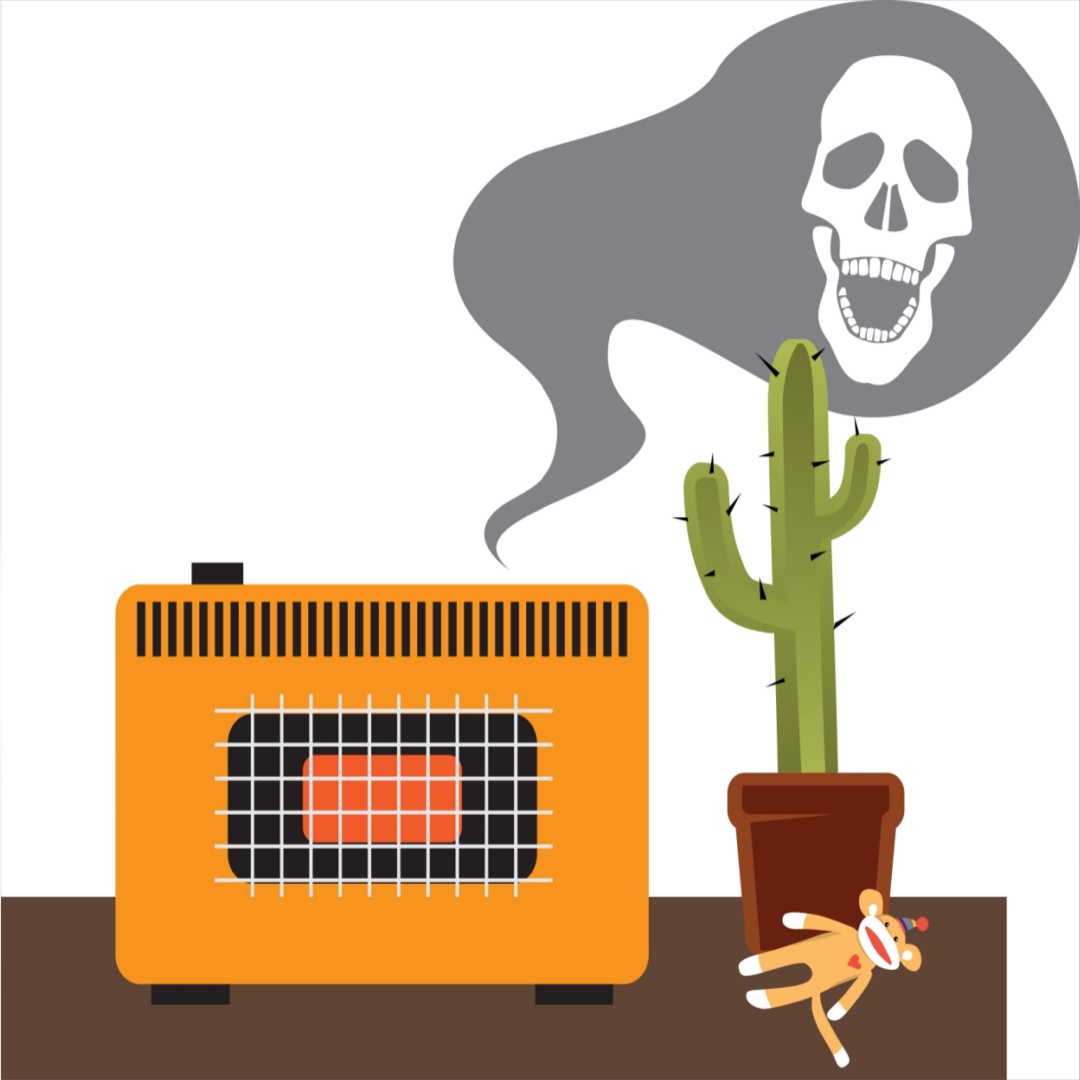
Ducted heating carbon monoxide testing has become a life-or-death necessity for Melbourne families after three tragic Victorian deaths since 2010 exposed the invisible danger lurking in thousands of homes across our city. This odourless, colourless gas doesn’t announce its presence with warning signs or distinctive smells like natural gas; it simply accumulates silently through your ducted heating system, contaminating every room simultaneously through the very vents designed to keep you comfortable during our notoriously cold winters.
With Melbourne’s 1.7 million gas-connected households relying heavily on ducted gas heating through our extended winter season, the stakes couldn’t be higher. Unlike standalone heaters that affect single rooms, carbon monoxide from ducted systems spreads throughout entire homes within minutes, turning your heating network into a distribution system for this deadly poison.
Yet every single carbon monoxide poisoning incident remains entirely preventable through proper professional testing and heater maintenance. Understanding how CO forms in heating systems, recognising the warning signs, and implementing regular safety inspections creates multiple barriers against this silent killer. For Melbourne families, ducted heating safety isn’t optional; it’s essential protection against a threat that strikes without warning, leaving no second chances for those caught unaware.
Why Carbon Monoxide is Called “The Silent Killer”
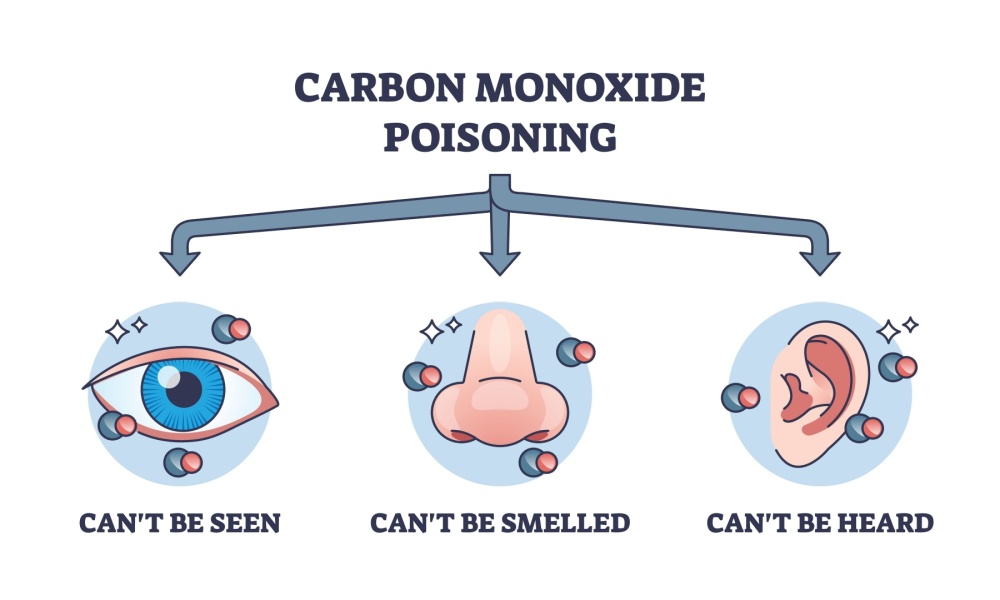
Carbon monoxide has earned its terrifying reputation as the silent killer because it attacks without any sensory warning whatsoever. Unlike natural gas, which has a distinctive rotten-egg smell deliberately added for safety, CO gas remains completely colourless, odourless, and tasteless even at lethal concentrations. This invisible nature makes carbon monoxide detection impossible through human senses alone, leaving families vulnerable to poisoning that can progress from mild symptoms to death within hours.
The Deadly Chemistry Behind Carbon Monoxide
The molecular structure of carbon monoxide makes it particularly dangerous in-home environments. With a molecular weight of 28.01, CO is nearly identical to air (28.8), meaning it disperses evenly throughout your home rather than settling in basements or rising to ceilings like other gases. This uniform distribution explains why ducted heating carbon monoxide contamination affects entire households simultaneously, as the gas travels through your heating system’s ductwork to every room.
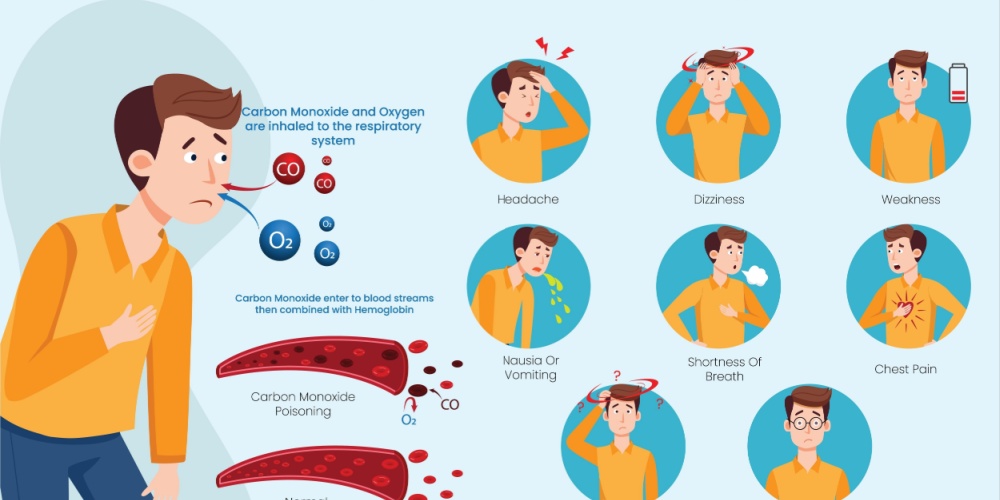
When you breathe carbon monoxide, it immediately races to bind with haemoglobin in your red blood cells, forming carboxyhaemoglobin that cannot transport oxygen. With 200 to 250 times greater affinity for haemoglobin than oxygen itself, CO essentially hijacks your blood’s oxygen-carrying capacity. Your brain and heart, which demand constant oxygen supply, suffer first and most severely. Within minutes at high concentrations, confusion sets in, followed by loss of consciousness and death.
This ruthless efficiency at the cellular level, combined with CO’s completely undetectable nature, makes professional gas heating testing and carbon monoxide detectors absolutely essential safety measures for any Melbourne home with gas ducted heating systems.
How Carbon Monoxide Forms in Ducted Heating Systems
Carbon monoxide production in your ducted heating system occurs when the delicate balance of combustion goes wrong, transforming what should be a safe heating process into a deadly threat. Understanding this process helps Melbourne homeowners recognise when their system requires immediate professional gas heating service to prevent CO formation.
Normal vs Incomplete Combustion
Under ideal conditions, your gas ducted heating system burns natural gas with sufficient oxygen to produce only carbon dioxide and water vapour, indicated by clean blue flames. However, when combustion air becomes restricted or components malfunction, incomplete combustion occurs, creating the deadly byproduct of carbon monoxide. This shift from blue to yellow or orange flames serves as a critical visual warning that your system is producing CO instead of burning cleanly, requiring immediate professional assessment.
Heat Exchanger Failures Create Carbon Monoxide Pathways
Cracked heat exchangers represent the most dangerous source of carbon monoxide in ducted heating systems. These metal components separate toxic combustion gases from the air circulated through your home, acting as the crucial barrier between deadly fumes and breathable air. Melbourne’s notorious weather variability creates repeated thermal stress through daily heating cycles, causing microscopic cracks that allow CO to contaminate your home’s air supply.
Restricted airflow from clogged filters forces heat exchangers to operate at excessive temperatures, accelerating metal fatigue and crack formation. Regular professional maintenance prevents these dangerous conditions by ensuring optimal airflow and component health. When these failures occur, carbon monoxide from your heating system infiltrates the entire house through ductwork designed to distribute comfortable air.
System-Specific Risk Factors
Negative pressure conditions, particularly common in Melbourne’s energy-efficient homes, can reverse normal flue flow and pull combustion gases back into living spaces. Kitchen range hoods, bathroom exhaust fans, and clothes dryers competing for air create these dangerous conditions, as detailed by Energy Safe Victoria’s guidelines. Regular ducted heating carbon monoxide testing by qualified professionals identifies these risks before they become fatal, ensuring your family’s safety throughout winter.
Health Symptoms and Warning Signs
Carbon monoxide poisoning from faulty ducted heating progresses through distinct stages, often mimicking common winter ailments that delay recognition and treatment. Understanding these symptoms and environmental warning signs can mean the difference between early detection and tragic consequences for Melbourne families.
Early Symptoms Masquerading as Winter Illness
Initial CO exposure typically presents as persistent, dull headaches that don’t respond to typical pain relievers. Carbon monoxide poisoning symptoms progress to include fatigue, mild nausea, and dizziness that many families dismiss as seasonal flu or workplace stress. The critical warning sign occurs when multiple household members experience these symptoms simultaneously, particularly when symptoms improve after leaving the home and return upon re-entry.
Children and elderly residents progress through these stages more rapidly due to higher respiratory rates and reduced physiological reserves. Better Health Victoria emphasises that pregnant women face particular danger, as foetal haemoglobin binds CO even more readily than adult haemoglobin.
Severe Poisoning and Environmental Indicators
As blood CO levels climb above 25 percent saturation, mental confusion and weakness signal serious poisoning requiring immediate medical attention. Victims struggle with simple tasks, experience severe dizziness, and may vomit repeatedly. At concentrations above 50 percent, seizures, cardiac arrhythmias, and coma indicate life-threatening exposure.
Physical warning signs from your gas ducted heating system provide crucial early detection opportunities. Yellow or orange flames instead of crisp blue indicate incomplete combustion producing carbon monoxide. Excessive condensation on windows near heating vents, black soot deposits around registers, or unusual chemical odours all suggest combustion problems requiring immediate professional assessment and ducted heating carbon monoxide testing to ensure family safety.
Victorian Legal Requirements and Professional Testing Standards
Victorian legislation now mandates rigorous ducted heating carbon monoxide testing following coronial recommendations from recent CO deaths that shocked Melbourne families. These comprehensive safety standards ensure every gas ducted heating system receives professional assessment to prevent further tragedies.
AS4575 Compliance and Legal Obligations
The AS4575 standard, effective since June 2022, requires all Type A gas appliances including ducted heating systems to undergo professional servicing every two years minimum. Licensed Type A gasfitters must perform comprehensive carbon monoxide testing using calibrated equipment that measures precise CO concentrations in both flue gases and ambient air. Energy Safe Victoria enforces these regulations with penalties reaching $1.7 million for non-compliance, reflecting the government’s serious commitment to preventing further carbon monoxide poisoning incidents.
Rental property owners face additional obligations under the Residential Tenancies Regulations, requiring gas safety checks every two years by qualified professionals. This legislation followed the tragic deaths of the Robinson brothers and Sonia Sofianopoulos, whose families advocated for stronger protection measures.
Professional Testing Procedures and Equipment
Professional ducted heating carbon monoxide testing employs sophisticated combustion analysers costing thousands of dollars to measure exact CO levels throughout your heating system. Qualified technicians perform spillage testing by placing probes at critical points around your gas heating system while it operates under various conditions. Negative pressure assessment simulates worst-case scenarios with all exhaust fans operating simultaneously to ensure your system won’t spill carbon monoxide under real-world conditions.
Victorian Building Authority regulations require zero CO detection in living spaces during testing. Any measurable carbon monoxide levels trigger mandatory system isolation until repairs restore safe operation.
Documentation and Certification Requirements
Licensed professionals must provide comprehensive written reports documenting all CO readings, test procedures, and safety assessments within five days of completion. These detailed records include ambient air measurements, flue gas analysis, and heat exchanger integrity evaluations that protect both homeowners and technicians. Gas servicing records must be lodged with the Victorian Building Authority, creating accountability trails that ensure ongoing gas heating safety compliance across Melbourne’s residential properties.
When to Call Professionals for Ducted Heating Carbon Monoxide Testing
Recognising when your ducted heating system requires immediate professional carbon monoxide testing can prevent tragic consequences for Melbourne families. Certain situations demand urgent response, while others follow routine maintenance schedules that ensure ongoing gas heating safety.
Emergency Situations Requiring Immediate Action
Carbon monoxide detector activation represents the most urgent scenario requiring immediate gas heating service. Turn off your ducted heating system, evacuate the premises, and contact emergency services before arranging professional assessment. Visible flame colour changes from blue to yellow or orange indicate incomplete combustion producing carbon monoxide, demanding immediate system shutdown and professional gas heating service.
When multiple family members experience simultaneous headaches, nausea, or dizziness that improve when leaving home, carbon monoxide poisoning should be suspected immediately. Victoria’s Health Department recommends treating these symptoms as medical emergencies requiring both healthcare attention and ducted heating carbon monoxide testing.
Routine Maintenance and Prevention
Victorian law mandates professional testing every two years minimum, but annual inspections provide superior protection for systems over ten years old or in heritage homes. Scheduling gas heating service before Melbourne’s heating season ensures optimal system performance and safety throughout winter months.
Choosing Qualified Technicians
Always verify technicians hold current Type A gasfitter credentials through the Victorian Building Authority registry. Request detailed quotes specifying carbon monoxide testing procedures, equipment calibration dates, and comprehensive reporting standards. Professional services should provide written documentation of all CO measurements and safety assessments to ensure ongoing compliance with Victorian regulations.
Protect Your Family: Take Action Against the Silent Killer
Carbon monoxide from faulty ducted heating systems poses a clear and present danger to Melbourne families, yet every single CO poisoning incident remains entirely preventable through professional maintenance and informed vigilance. The invisible nature of this deadly gas demands proactive protection through regular ducted heating carbon monoxide testing, properly maintained carbon monoxide detectors, and immediate response to warning signs.
With three Victorian lives lost since 2010 and countless unreported near-misses, the stakes couldn’t be higher for Melbourne’s 1.7 million households relying on gas heating through our long, cold winters. Your ducted heating system requires professional CO safety testing every two years by law, but annual inspections provide superior protection for older systems or homes with multiple gas appliances. Don’t wait until symptoms appear or carbon monoxide detectors sound their alarm. Contact Professionair’s qualified heater maintenance professionals today to schedule comprehensive gas heating safety assessment and ensure your family’s protection against this silent killer that strikes without warning or second chances.
Frequently Asked Questions
Q1: How often should I have ducted heating carbon monoxide testing performed?
Victorian law requires professional testing every 2 years minimum, but annual testing is recommended for systems over 10 years old or in heritage homes. Emergency testing is required if you notice yellow flames, soot deposits, or family members experiencing headaches and nausea that improve when leaving home. Gas heating systems in rental properties must undergo carbon monoxide testing every two years under the Residential Tenancies Regulations.
Q2: What does professional ducted heating carbon monoxide testing involve?
Licensed Type A gasfitters use calibrated combustion analysers to measure CO levels in flue gases and ambient air throughout your ducted heating system. Professional testing includes spillage assessment at multiple points, negative pressure evaluation with exhaust fans operating, and heat exchanger integrity inspection using specialised equipment. The process typically takes 1-2 hours and must comply with AS4575 standards mandated by Victorian legislation.
Q3: How much does ducted heating carbon monoxide testing cost in Melbourne?
Comprehensive CO safety inspections range from $350-500, including all required testing under AS4575 standards and detailed written reporting. This investment is minimal compared to the potential cost of carbon monoxide poisoning treatment or system replacement after catastrophic failure. Many professional gas heating services offer annual maintenance packages that include carbon monoxide testing at reduced rates.
Q4: Can I test for carbon monoxide myself?
While household carbon monoxide detectors provide important backup protection, professional testing requires calibrated industrial equipment and Type A gasfitter expertise to comply with Victorian regulations. DIY testing cannot measure precise CO concentrations in flue gases or assess heat exchanger integrity, making professional ducted heating carbon monoxide testing essential for accurate safety assessment and legal compliance.
