
Keeping your home cool in summer can feel like a never-ending battle, especially during Melbourne’s scorching months. With temperatures often soaring above 35°C, finding effective ways to maintain a comfortable indoor environment is essential for both your wellbeing and energy bills. While air conditioning is a common go-to, relying on it alone can lead to high electricity costs and unnecessary wear on your HVAC system. Fortunately, there are practical strategies that homeowners can implement to keep their living spaces cool, comfortable, and energy-efficient. From optimising insulation and shading to cooler repair and maintenance, these strategies can make a significant difference. Whether you’re upgrading your home’s cooling system or adopting everyday habits to reduce heat gain, understanding these techniques will help you enjoy a cooler, more comfortable summer without compromising efficiency.
Optimising Home Design and Structure
A well-designed home can make a huge difference when it comes to keeping cool during Melbourne’s summer heat. One of the most effective ways to reduce indoor temperatures is through proper insulation and sealing. Insulated walls, ceilings, and floors prevent heat from entering your home, while sealing gaps around windows and doors stops hot air from sneaking in. Not only does this enhance comfort, but it also reduces the workload on your air conditioning system, lowering energy bills.
Another key factor is reflective surfaces and roofing. Light-coloured roofs and walls, as well as heat-reflective paints, can dramatically reduce heat absorption. Roof ventilation systems are also beneficial, as they allow hot air trapped in your roof to escape, keeping living spaces cooler.
Landscaping for shade is an often-overlooked yet highly effective strategy. Strategically planting trees or installing pergolas and external shading screens can block direct sunlight from hitting windows and walls. Over time, these solutions not only keep your home cooler but also contribute to energy efficiency and sustainability.
By focusing on these structural improvements, Melbourne homeowners can enjoy passive cooling benefits year-round. Combining insulation, reflective surfaces, and smart landscaping creates a strong foundation for a cooler, more comfortable home without over-relying on air conditioning.
Window and Door Strategies
Windows and doors are often the main entry points for summer heat, so managing them effectively is crucial to keeping your home cool. Installing UV-blocking window films or reflective blinds can significantly reduce the amount of solar heat entering your living spaces, helping to maintain a comfortable indoor temperature. Heavy curtains or thermal drapes are also effective, particularly for rooms that receive direct sunlight during the hottest parts of the day.
Upgrading to double-glazed or low-emissivity (low-E) windows is another long-term solution. These windows limit heat transfer, keeping indoor temperatures more stable while improving energy efficiency. Even small adjustments, such as ensuring doors and windows are properly sealed with weather-stripping, can prevent warm air from infiltrating your home.
In addition, consider the positioning of windows and doors to enhance natural ventilation. Opening windows strategically during cooler morning or evening hours can create cross-ventilation, helping to flush out trapped heat without relying on air conditioning.
By combining window treatments, modern glazing options, and smart ventilation habits, Melbourne homeowners can dramatically reduce heat gain, improve comfort, and lower energy costs during the peak summer months.
Airflow and Ventilation Management
Effective airflow is essential for keeping your home cool in summer without over-relying on air conditioning. Proper ventilation helps remove trapped heat and ensures a constant flow of fresh, cooler air throughout your living spaces. One of the simplest strategies is to create cross-ventilation by opening windows on opposite sides of your home. This allows hot air to escape while drawing in cooler air from shaded areas or breezy spots.
Ceiling fans and portable fans are also highly effective for enhancing airflow. Ceiling fans should rotate counter-clockwise in summer to push cool air downwards, creating a refreshing breeze that makes indoor temperatures feel cooler. Portable fans can be strategically placed near windows or doorways to circulate air and accelerate heat dissipation.
Exhaust fans in kitchens and bathrooms can further reduce indoor heat, particularly when cooking or showering, which generate additional warmth and humidity. Combining these strategies with timed ventilation—opening windows during cooler mornings or evenings and keeping them closed during peak heat—maximises efficiency.
By managing airflow and ventilation effectively, homeowners can maintain a comfortable indoor environment while reducing energy consumption. When paired with insulation, shading, and strategic window treatments, these techniques form a comprehensive approach to cooling your home naturally and efficiently throughout the Melbourne summer.
HVAC Maintenance and Smart Cooling
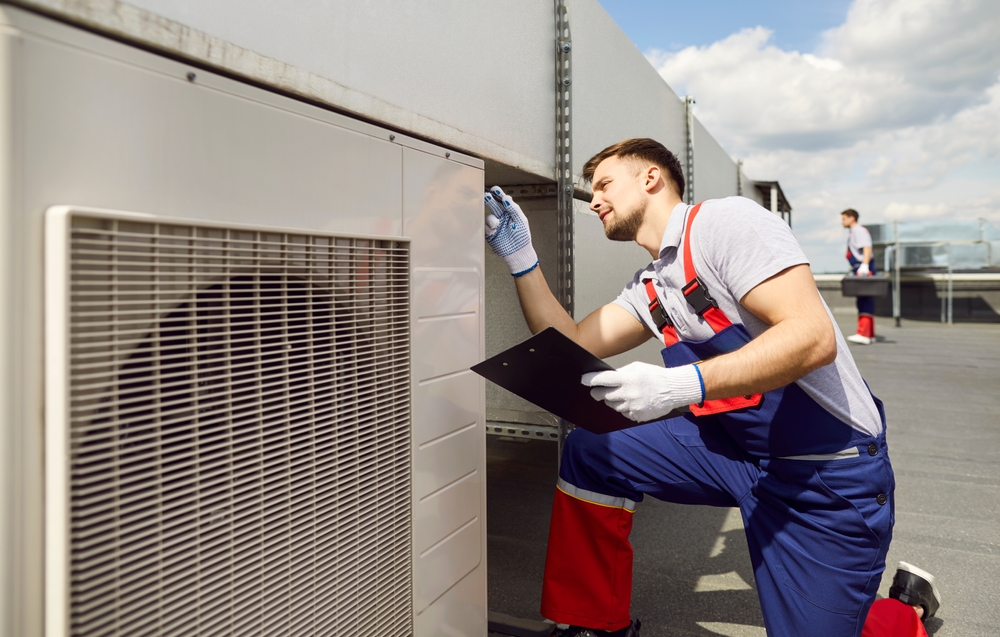
A well-maintained HVAC system is one of the most reliable ways to keep your home cool in Melbourne’s summer heat. Regular servicing ensures that air conditioners and heat pumps operate efficiently, reducing energy consumption while maintaining consistent comfort. Simple tasks such as cleaning or replacing filters, checking refrigerant levels, and inspecting coils and vents can make a significant difference in performance. Neglecting maintenance not only decreases cooling efficiency but can also shorten the lifespan of your system.
Upgrading to energy-efficient air conditioners is another way to optimise summer cooling. Modern systems often come with higher SEER (Seasonal Energy Efficiency Ratio) ratings, which use less electricity while delivering superior comfort. For multi-level homes, consider zoning systems, which allow different areas to be cooled independently, preventing energy waste in unused rooms.
Smart thermostats offer added convenience and efficiency by learning your household routines and adjusting temperatures automatically. Many can be controlled remotely via smartphone apps, enabling you to pre-cool your home before returning or to avoid unnecessary cooling when the house is empty.
In addition to regular maintenance, ensuring proper airflow through vents and ductwork is critical. Blocked or poorly maintained ducts can reduce system efficiency, forcing your HVAC to work harder and increasing running costs.
By combining maintenance, energy-efficient upgrades, and smart cooling strategies, homeowners can enjoy a consistently cool home throughout summer. Not only does this approach improve comfort, but it also extends the lifespan of your HVAC system and reduces overall energy bills.
Combining Strategies for Maximum Cooling
To achieve the coolest home possible during the summer months, it is best to combine multiple approaches rather than relying on a single method. Structural improvements like insulation and reflective roofing work hand-in-hand with effective window treatments, airflow management, and HVAC maintenance. Complementing these with daily behavioural adjustments, such as limiting heat-generating activities and using fans strategically—creates a comprehensive cooling system that is both efficient and cost-effective. By integrating passive cooling techniques, smart technology, and practical lifestyle habits, homeowners can enjoy long-lasting comfort, lower energy bills, and a more sustainable approach to summer living.
Do You Need Heating and Cooling System Repair?
Look no further than Professionair. Regular maintenance and repair of your HVAC system is recommended to prevent small problems becoming big issues. Keep your home cool this Summer with our handy tips and the experience and expertise of Professionair.
Get in touch by calling 04 300 48 300 or fill in our online contact form and we will get back to you.
Frequently Asked Questions
How can I keep my home cool without using air conditioning?
You can rely on passive cooling strategies such as insulation, reflective window treatments, shading, cross-ventilation, and ceiling or portable fans. These techniques reduce heat gain and maintain comfort naturally.
What are the most cost-effective ways to reduce indoor heat?
Simple measures like closing blinds during peak sun hours, sealing doors and windows, planting shade trees, and using energy-efficient lighting can significantly lower indoor temperatures without major renovations.
How often should I service my air conditioner?
For optimal performance, schedule a professional HVAC service at least once a year before summer. Regular maintenance, including cleaning filters and checking refrigerant levels, ensures efficient cooling and prolongs system lifespan.
Do curtains and blinds really make a difference in summer?
Yes. Heavy curtains, thermal drapes, and UV-blocking blinds prevent solar heat from entering your home, reducing reliance on air conditioning and keeping indoor temperatures lower.
Can landscaping really reduce indoor temperatures?
Absolutely. Trees, pergolas, and external shading screens block direct sunlight from walls and windows, lowering indoor heat gain and enhancing natural cooling.
What type of fan is best for Melbourne summers?
Ceiling fans with counter-clockwise rotation provide a cooling breeze, while portable fans can boost airflow in specific areas. Using them alongside cross-ventilation maximises comfort and efficiency.
Should I keep windows open or closed on hot summer days?
During extreme heat, it’s best to keep windows and doors closed during the hottest parts of the day to prevent warm air from entering your home. Open them in the early morning or evening when outdoor temperatures drop to encourage natural ventilation and release trapped heat.
How do I know if my HVAC system is struggling to cool my home?
Signs include uneven cooling between rooms, weak airflow from vents, unusual noises, or your system running constantly without reaching the set temperature. These issues often indicate the need for professional HVAC maintenance or system upgrades to ensure efficient summer cooling.
