
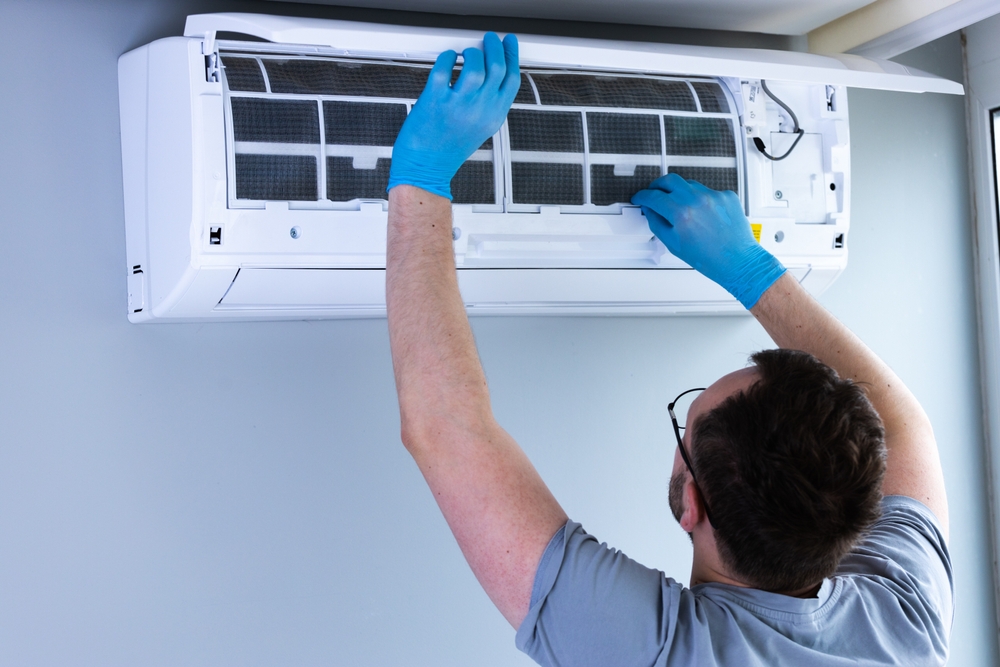
Improving indoor air quality is essential for creating a healthy and comfortable environment in Melbourne homes and offices. With urban pollution, seasonal pollen, and dust all contributing to airborne irritants, the air inside your property can often be more polluted than the air outdoors. Poor indoor air quality can lead to allergies, respiratory issues, headaches, and general discomfort, making it vital to take proactive steps to maintain clean air. One of the most effective ways to achieve this is through regular maintenance and servicing of your HVAC system. Professional heating and cooling system repair ensures that air filters, ductwork, and vents are clean and functioning efficiently, preventing the circulation of dust, mould spores, and other contaminants. By combining expert HVAC care with good ventilation practices and pollutant reduction strategies, Melbourne homeowners and businesses can enjoy fresher, healthier air all year round.
Understanding Indoor Air Quality
Indoor air quality (IAQ) refers to the cleanliness and safety of the air within homes, offices, and commercial buildings. Poor IAQ can result from a combination of pollutants, including dust, mould spores, pollen, pet dander, and volatile organic compounds (VOCs). These airborne contaminants can affect respiratory health, trigger allergies, and even reduce overall wellbeing, making it essential to monitor and manage the air we breathe indoors.
In Melbourne, seasonal changes and urban environments can further impact IAQ. During spring, pollen levels rise, while summer bushfire smoke and urban dust contribute to elevated particle matter inside homes and offices. Proper ventilation, controlled humidity, and efficient air filtration are key factors in maintaining healthy indoor air.
Some common sources of indoor air pollution include:
- Poorly maintained heating, ventilation, and air conditioning (HVAC) systems
- Damp or mould-prone areas such as bathrooms and basements
- Chemical cleaners, paints, and other products that release VOCs
Addressing these sources through regular HVAC servicing, duct cleaning, and effective pollutant management ensures cleaner, safer air. Understanding the components and influences of IAQ is the first step toward creating a healthier indoor environment for all occupants.
Role of HVAC Systems in Maintaining Indoor Air Quality
Heating, ventilation, and air conditioning (HVAC) systems play a crucial role in maintaining healthy indoor air quality. A well-functioning HVAC system not only regulates temperature but also circulates and filters air, removing dust, allergens, and other airborne pollutants. Without regular servicing, these systems can become breeding grounds for mould, bacteria, and debris, which are then distributed throughout homes or commercial spaces, negatively impacting IAQ.
Proper maintenance is essential to ensure that HVAC systems operate efficiently and contribute to a clean indoor environment. This includes routine inspections, filter replacements, and duct cleaning to prevent blockages and contamination. When air filters are clogged or ductwork is dirty, airflow is restricted, and pollutants can accumulate, reducing the overall effectiveness of the system.
Signs that your HVAC system may be affecting air quality include unusual odours, uneven heating or cooling, visible dust around vents, or frequent allergy flare-ups. Addressing these issues promptly through professional heating and cooling system repair or servicing can restore optimal air circulation and filtration.

Practical Steps to Improve Indoor Air Quality
Improving indoor air quality requires a combination of professional maintenance, smart habits, and simple lifestyle adjustments. By addressing common sources of pollutants and ensuring proper ventilation, Melbourne homeowners and businesses can create healthier, more comfortable indoor environments.
Regular HVAC Maintenance
One of the most effective ways to maintain clean indoor air is through regular HVAC servicing. Professional heating and cooling system repair ensure that air filters are replaced on schedule, ductwork is free of dust and debris, and vents are clean. Routine inspections also allow technicians to detect mould growth, water leaks, or other issues that could compromise indoor air quality. A well-maintained system not only filters out allergens and pollutants but also improves energy efficiency, reducing running costs over time.
Ventilation and Airflow
Proper ventilation is another critical factor. Ensuring adequate airflow helps dilute indoor pollutants and prevents the build-up of stale air. Opening windows when outdoor conditions allow, using exhaust fans in bathrooms and kitchens, and strategically placing vents can all enhance circulation. In spaces where natural ventilation is limited, mechanical ventilation systems can be installed to provide consistent air exchange.
Reducing Indoor Pollutants
Limiting sources of indoor pollution is equally important. Using low-VOC cleaning products, avoiding smoking indoors, and minimising strong chemical fragrances can significantly reduce airborne contaminants. Regular cleaning of carpets, upholstery, and surfaces also helps control dust, pet dander, and pollen levels.
Humidity Control
Maintaining optimal humidity levels is essential for preventing mould and dust mites. Dehumidifiers can be particularly useful in damp areas such as bathrooms or poorly ventilated rooms. Monitoring humidity ensures a comfortable environment while protecting occupants from allergens and microbial growth.
By combining these strategies with professional HVAC maintenance, Melbourne residents and business owners can enjoy consistently cleaner, healthier air. Practical steps such as improving ventilation, controlling pollutants, and managing humidity complement professional servicing to maximise indoor air quality throughout the year.
Technology and Innovations for Cleaner Air
Modern technology offers a range of solutions to enhance indoor air quality, complementing traditional HVAC maintenance. Advanced air filtration systems, such as HEPA filters, capture fine dust, pollen, and allergens, significantly reducing airborne contaminants. Similarly, UV air purifiers help neutralise bacteria and mould spores, improving overall air hygiene.
Smart air quality monitors allow homeowners and businesses to track real-time levels of pollutants, humidity, and particulate matter. These devices provide actionable insights, helping occupants adjust ventilation, heating, and cooling settings to maintain optimal indoor air quality.
By incorporating these innovations alongside regular HVAC servicing and heating and cooling system repair, property owners can achieve cleaner, healthier air, improved comfort, and greater peace of mind throughout the year.
Health Benefits of Good Indoor Air Quality
Maintaining good indoor air quality has significant health advantages for both residential and commercial environments. Cleaner air reduces exposure to common allergens, dust, mould spores, and volatile organic compounds (VOCs), which can trigger respiratory issues, asthma, and allergy flare-ups. Over time, consistent exposure to high-quality air can improve overall wellbeing, sleep quality, and cognitive function, contributing to a healthier lifestyle.
In workplaces, better indoor air quality also enhances productivity and reduces absenteeism by limiting the spread of airborne irritants and germs. For homes, families benefit from a safer living environment, particularly for children, the elderly, and those with pre-existing respiratory conditions.
Some of the key health benefits include:
- Reduced allergy and asthma symptoms
- Lower risk of respiratory infections
- Improved comfort and general wellbeing
Local Considerations for Melbourne Homes and Offices
Indoor air quality in Melbourne is influenced by unique local factors, including seasonal pollen, urban pollution, and occasional bushfire smoke. These environmental conditions can introduce a variety of airborne contaminants into homes and workplaces, affecting comfort and health. Understanding these challenges is essential for effective IAQ management.
Some practical strategies to address Melbourne-specific air quality issues include:
- Using high-efficiency HVAC filters to capture pollen and dust
- Installing air purifiers to reduce smoke particles during bushfire season
- Maintaining proper ventilation and humidity control throughout the year
Choosing the Right HVAC Service Provider
Selecting a reliable HVAC service provider is essential for maintaining indoor air quality and ensuring efficient heating and cooling system repair. A qualified technician can identify issues such as clogged filters, dirty ductwork, or system inefficiencies that may compromise air quality.
When choosing a local Melbourne provider, it’s important to consider experience, certifications, and a track record of servicing both residential and commercial properties. Some key factors to evaluate include, the availability of routine maintenance and emergency repairs, and their knowledge of modern air filtration and ventilation systems.
Partnering with a trusted HVAC company ensures cleaner air, improved system performance, and a healthier indoor environment throughout the year.
Do You Want Improve the Indoor Air Quality in Your Home?
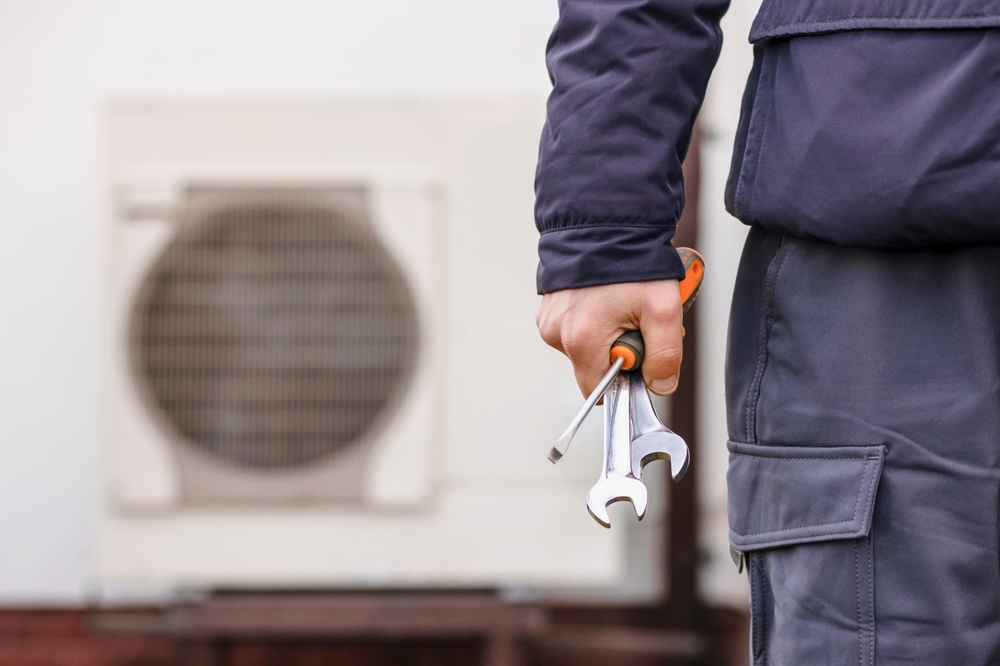
Maintaining good indoor air quality is essential for the health, comfort, and productivity of Melbourne homes and workplaces. Regular HVAC servicing, heating and cooling system repair, and proper ventilation help reduce dust, mould spores, allergens, and other indoor pollutants. Contact Professionair for your heating and cooling system repair and maintenance needs.
Get in touch by calling 04 300 48 300 or fill in our online contact form and we will get back to you.
Frequently Asked Questions
How often should I service my HVAC system?
Professional HVAC servicing is recommended at least once a year. Regular maintenance, including filter replacement and duct cleaning, ensures optimal indoor air quality and system efficiency.
Can indoor plants improve air quality?
Certain indoor plants can absorb minor pollutants and increase humidity, but they should complement, not replace, proper HVAC maintenance and air filtration systems.
What are the main causes of poor indoor air quality in Melbourne?
Common causes include dust, mould spores, pollen, urban pollution, and inefficient or poorly maintained heating and cooling systems.
How do I know if my home has mould affecting air quality?
Signs include musty odours, visible mould growth, or increased allergy symptoms. Professional inspection and HVAC servicing can help address these issues.
Are HEPA filters worth investing in for residential IAQ?
Yes. HEPA filters capture fine dust, allergens, and pollen, improving indoor air quality, particularly in homes with pets or residents prone to allergies.
